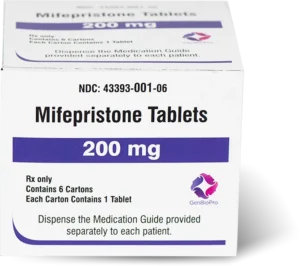


Mifepristone Tablets – 3 Essential Uses, Safety & Dosage
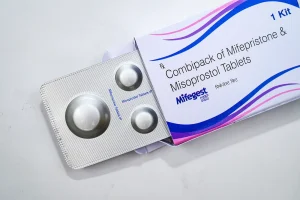
Mifepristone Tablets are prescription-only medication used under medical supervision for early pregnancy termination (with misoprostol) and for controlling hyperglycemia in Cushing’s syndrome. Available only through authorized healthcare providers under REMS guidelines.
- Estimated Delivery : Up to 4 business days
- Free Shipping & Returns : On all orders over $200
Mifepristone Tablets – Medical Uses, Dosage & Safety Information
Mifepristone is a prescription medication used in specific medical conditions under strict medical supervision. It is most commonly prescribed as part of a regulated treatment protocol and is available only through authorized healthcare providers.
What Is Mifepristone Used For?
Mifepristone is approved for two primary medical uses:
- Medical termination of early pregnancy (up to 70 days gestation) when used in combination with misoprostol.
- Management of hyperglycemia in adults with Cushing’s syndrome who have type 2 diabetes and are not candidates for surgery or have failed surgical treatment.
How Mifepristone Works
Mifepristone works by blocking progesterone, a hormone necessary to maintain pregnancy. Without progesterone, the uterine lining breaks down, allowing pregnancy tissue to be expelled when followed by misoprostol.
In Cushing’s syndrome, mifepristone helps regulate blood sugar levels by counteracting excess cortisol activity.
Mifepristone Dosage & Administration
Medical abortion (≤70 days):
- Day 1: One 200 mg tablet of mifepristone (oral)
- After 24–48 hours: 800 mcg misoprostol administered as directed
Cushing’s syndrome:
- Initial dose: 300 mg once daily with food
- Maximum dose: Up to 1200 mg per day as prescribed
Always follow your doctor’s instructions. Do not change the dose without medical advice.
Important Safety Information
Mifepristone is available only under the Mifepristone REMS Program due to potential risks. Regular medical follow-up is required.
- Not suitable for ectopic pregnancy
- May cause heavy vaginal bleeding
- Not recommended in patients with bleeding disorders or adrenal failure
Drug & Food Interactions
Mifepristone interacts with many medications including blood thinners, steroids, certain heart medicines, and CYP3A inhibitors.
Avoid: Grapefruit, grapefruit juice, and certain herbal supplements unless approved by your doctor.
Possible Side Effects
Common side effects may include:
- Nausea or vomiting
- Abdominal pain or cramps
- Dizziness or headache
- Fatigue or weakness
Seek immediate medical attention if you experience severe bleeding, fever, chest pain, irregular heartbeat, or signs of infection.
Storage Instructions
- Store at room temperature
- Keep away from heat, moisture, and light
- Keep out of reach of children
Disclaimer: This information is for educational purposes only and does not replace professional medical advice. Always consult a licensed healthcare provider before using this medication.
Be the first to review “Mifepristone Tablets – 3 Essential Uses, Safety & Dosage”
Related products
-

-
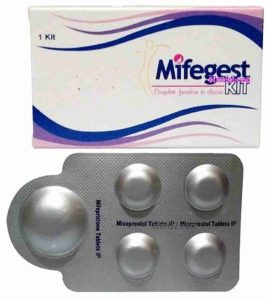
Mifegest Kit
$185.22 -

-

-
Prometrium – Micronized Progesterone 100mg (Generic: Utrogestan) – 30 Capsules
Original price was: $28.$26.60Current price is: $26.60.



Reviews
There are no reviews yet.